The Ultimate Guide to Efficient Dumpster Loading
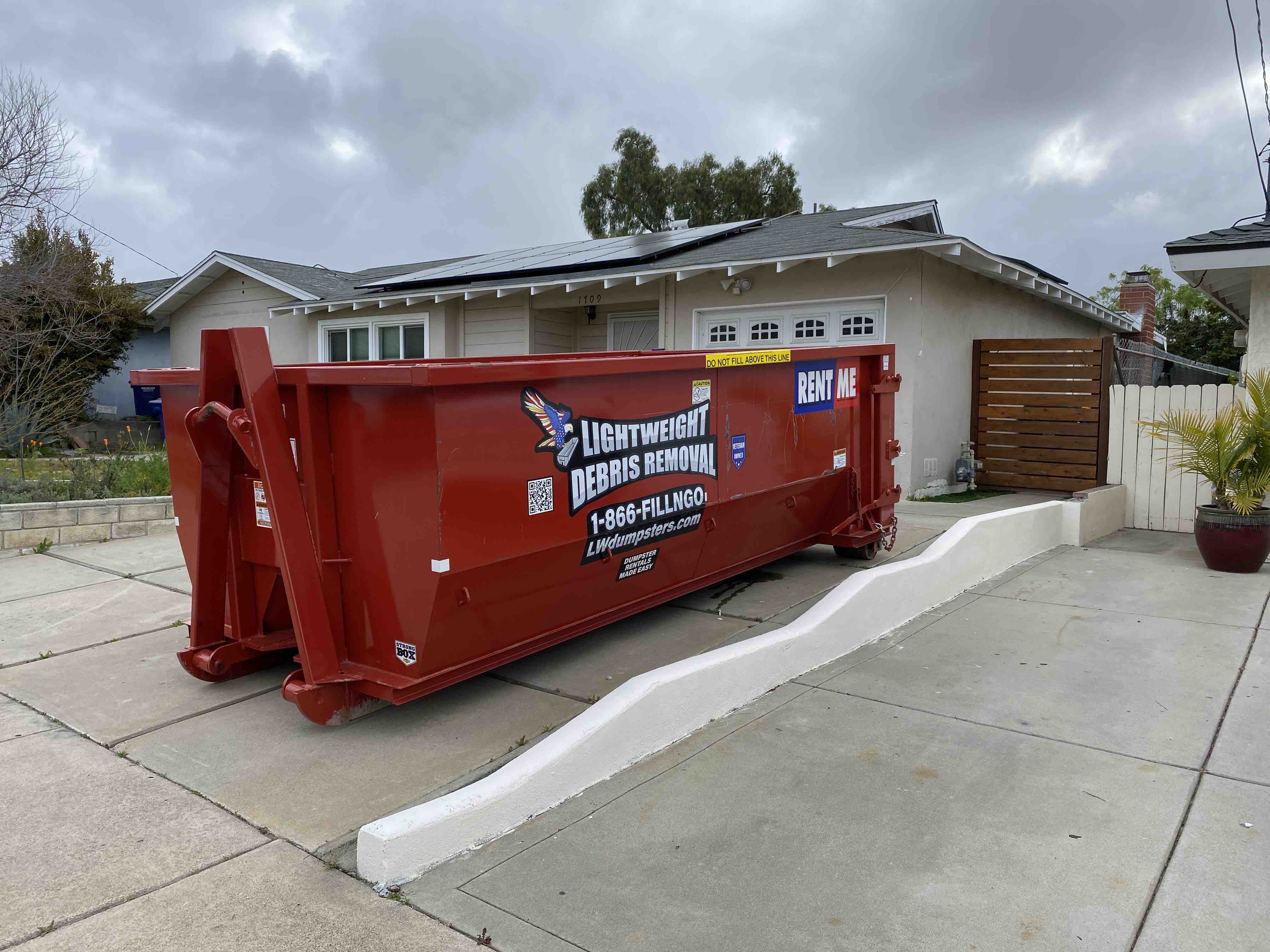
When handling a cleanup, remodeling, or construction task, you might think dumpster loading is an easy step. However, how materials are arranged can greatly influence space efficiency, safety, and speed. Many people overlook the importance of proper dumpster loading, which can cause space loss, safety hazards, and unnecessary project delays.
At Lightweight Debris Removal, we stress the importance of loading a dumpster correctly just as much as selecting the proper size. Taking an organized approach maximizes container use while ensuring a secure and efficient workspace. We strive to help every customer make the best use of their dumpster service by promoting smart loading practices that cut clutter, prevent harm, and make cleanup more efficient.
Planning Before You Start Loading
Prior to tossing any debris in, it’s crucial to plan ahead. Identify what materials you’ll dispose of and check if any can be recycled, reused, or need special handling. Sorting ahead of time promotes a smooth workflow and limits the need for reorganization later. It also makes handling safer by isolating hazardous or sharp materials.
Mapping out the order of loading matters just as much. Start by positioning large, heavy pieces at the bottom for balance. Afterward, lighter materials can be layered on top to fill in spaces. Smart preparation reduces the risk of load shifting or tipping during pickup. Such preparation ensures smoother operations and safer conditions overall.
Maximizing Dumpster Space
Proper space utilization can make a major difference in how much waste fits. Break down bulky items such as furniture or large appliances before placing them inside. Flattening boxes, removing doors, and taking apart parts allows more capacity and prevents wasted space. It helps you fit additional material without overcrowding or instability.
Layering materials is another useful trick for maximizing capacity. Lay heavy, flat items first to form a strong base. Continue with smaller, lighter waste to fill the cracks and corners. Do not overfill or stack above the container rim to prevent hazards. Proper layering not only optimizes space but also enhances organization and safety.
Ensuring Safety While Loading a Dumpster
Safety should be at the forefront during every loading task. Wearing gloves, strong shoes, and protective gear helps prevent cuts and injuries. Check the surrounding space for any obstructions or items that may cause falls. Staying alert around the dumpster keeps the process safe and organized.
Do not hurl or drop debris from afar into the container, since this could result in shifting, accidents, or property harm. It’s safer to position items gently and intentionally. If something is heavy or large, ask for assistance rather than risk injury. A mindful focus on safety safeguards your team and ensures smooth, efficient loading overall.
Sorting and Organizing Materials
Sorting materials before and during dumpster loading is one of the best ways to maintain order. Keep comparable debris types—such as wood, metal, or general trash—segregated. Doing so not only streamlines the loading phase but also simplifies unloading and proper disposal. This organization helps identify recyclables and promotes environmentally conscious waste handling.
A tidy system helps you avoid reshuffling materials after they’re loaded. Place lightweight materials such as cardboard or fabric on top, while heavy objects go below. This keeps lighter waste from being blown away and maintains load stability. Consistent organization results in a faster, safer, and more productive cleanup process overall.
Preventing Property Damage During Dumpster Placement
While dumpsters are sturdy, the surfaces they rest on can be fragile. Use wooden beams or other protectors beneath to reduce stress on driveways and pavements. Taking this measure prevents cracks, scratches, and wear during use.
Placement also plays a crucial role in preventing property damage. Select a flat, accessible space that allows for smooth loading and avoids blocking driveways or walkways. Keep it at a safe distance from fences, walls, or gardens that might be impacted. Thoughtful setup ensures a smooth experience and minimizes potential property risks.
Maximizing Efficiency for Large Projects
Big projects tend to generate constant debris that needs proper management. Creating a staging area where waste is sorted before reaching the dumpster can streamline loading. It promotes even weight distribution and reduces inefficiencies mid-project.
Strong collaboration and clear direction make the process more effective. Give each worker defined roles like lifting, sorting, or compressing waste. A coordinated team ensures a quicker and more streamlined workflow. Planning and cooperation are vital for completing big projects without unnecessary setbacks.
What You Should Avoid Loading Into a Dumpster
Not all waste materials belong in a standard dumpster, and knowing what’s restricted is vital. Hazardous chemicals, paints, and specific electronics must be disposed of through proper channels. Placing these inside a dumpster may cause environmental harm or disposal complications. Verify acceptable items beforehand to avoid penalties or issues.
Never load the container above its designated fill line or weight limit. An overfilled dumpster can create handling issues and pose transport hazards. By following proper load limits, you support responsible waste management. Awareness of limits helps avoid dumpster roll off Vista CA issues during collection and hauling.
Choosing a Dependable Dumpster Rental Partner
Collaborating with a dependable provider makes any cleanup smoother and more efficient. Lightweight Debris Removal offers expert dumpster rental services designed for both homeowners and contractors. From drop-off to collection, our team ensures a seamless and worry-free rental experience.
Selecting a customer-focused company enhances your rental experience. Prompt support, transparency, and reliability help maintain project flow. Lightweight Debris Removal is devoted to helping clients achieve organized, secure, and efficient results through expert guidance and responsible use.
Building a Well-Structured and Productive Work Area
Efficient dumpster loading directly impacts overall project productivity. A clean, well-kept work area enables smooth task flow and better teamwork. Through planning and efficient methods, you’ll complete jobs faster and cleaner.
Lightweight Debris Removal inspires users to view dumpster loading as an opportunity for improvement. This approach enhances safety, promotes productivity, and preserves property. By planning ahead and working smartly, you can make waste removal a seamless part of every project.